
Pavement licence renewals: turning outdoor seating into summer 2026 cash
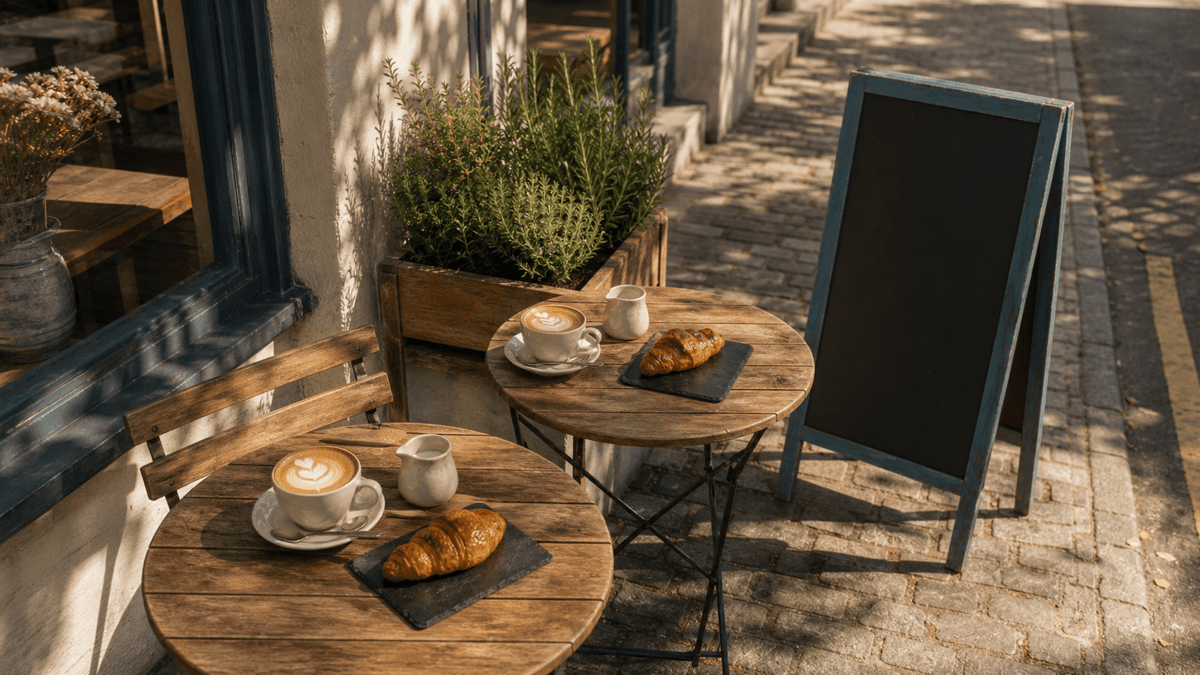
Six extra outdoor covers. Sixteen weeks of decent British summer. An average spend of around £8.50 a head, two sittings a day on the good ones.
That is roughly £8,000 of incremental turnover, give or take how the weather behaves. The kicker is that your rent, rates, lighting, fridges and core rota are already paid for. Almost all of that uplift drops into gross profit.
That is the prize sitting behind the pavement licence sticker in your window. And if you've not put your renewal in for summer 2026 yet, this is the week to do it.
The post-LURA 2023 regime, in plain English
The temporary pandemic pavement licence regime was made permanent under the Levelling-Up and Regeneration Act 2023, with the new rules coming into force in spring 2024. Two years in, most councils have settled into the rhythm of it.
What you get under the permanent regime:
- One streamlined process for placing tables, chairs, A-frames and parasols on the highway outside your premises.
- A statutory consultation window (usually 14 days) where the public and statutory consultees can object.
- A fee cap set nationally, with councils free to charge up to that cap.
- A licence duration of up to two years, though most councils still issue annual ones.
What the legislation did not change:
- Councils still set their own local fees, conditions and forms.
- You still need separate permissions for alcohol, music and any structural works.
- Smoking, allergen and food hygiene rules apply outside the door exactly as they do inside.
So the framework is national, the experience is hyper-local. Your neighbour two boroughs away might pay half what you do, with twice the leeway on hours.
Renewal vs new application: timings matter
Most councils run pavement licences on an annual cycle, often aligned with the financial year or the calendar year. A few do two-year licences. Almost none will let you sleepwalk through a missed renewal.
A few rules of thumb:
- Renewals are usually a lighter-touch process. Same site plan, same insurance, a tick to confirm nothing has changed. Often turned around in two to three weeks.
- New applications trigger the full 14-day public consultation, plus highways and (where relevant) parish council input. Budget six to eight weeks, sometimes more if objections land.
- Missing the renewal date typically means you start again from scratch as a new application. You also lose any grandfathered conditions you might have built up.
The practical takeaway: if your licence runs out in June or July, your application needs to be in now. Councils get hammered in May with renewals from places that suddenly noticed the sun.
What councils actually want to see
The forms vary, but the underlying ask is consistent. Get these ready before you start:
- A site plan, drawn to scale, showing the building frontage, the proposed furniture footprint, the remaining pavement width, and any street furniture (bins, lampposts, planters).
- Public liability insurance of £5 million minimum. Some councils ask for £10m. Check yours.
- A photo or two of the spot, ideally in daylight, with the proposed layout marked up.
- Hours of operation for the outdoor area (often more restrictive than your indoor hours).
- A maximum cover count you're applying for.
- Confirmation that you've notified neighbouring premises, where the council requires it.
The pavement width left for pedestrians is usually the make-or-break number. Most councils want a clear unobstructed route of at least 1.5 metres, often 2 metres on busier streets, and wider near schools or care homes. Measure it before you submit, not after.
Common rejections and how to head them off
Councils don't reject applications for fun. The same handful of issues come up again and again:
- Highway access blocked. Tables sat where the dropped kerb is, or where delivery vehicles need to reach. Walk the kerb at 7am on a delivery day and look at it through the highways officer's eyes.
- Fire egress compromised. A neighbour's fire exit opening into your seating zone is an instant no.
- Neighbour objections. Noise, smell, smokers congregating near someone's flat window. A quick chat with the upstairs residents before you submit beats a formal objection every time.
- Visibility splays at junctions. A-frames and parasols within sight lines of cars pulling out of a side road get pulled.
- Conservation area or listed building issues. Some councils require furniture in muted colours or natural materials. Check before you order branded parasols.
A 10-minute phone call with the licensing officer before you submit can save weeks. Most are happy to flag the obvious issues so you don't waste their time or yours.
The maths: why it's worth the bother
Let's run a realistic example. You're a typical indie café with covers inside, and the pavement licence lets you put four small tables outside, seating six to eight people comfortably.
Assume:
- 6 extra covers in use on a usable day.
- Two sittings across the day (mid-morning, lunch).
- Average spend of £8.50 per cover (coffee, pastry, light lunch).
- 3 usable outdoor days per week across May to September - being honest about the British summer.
- 16 weeks of outdoor trading season.
That's 6 x 2 x £8.50 = £102 per usable day, x 3 = £306 per week, x 16 = £4,896 at the cautious end.
A better summer with five usable days a week takes you to £8,160. Add a bank holiday surge or two and you're knocking on £10k.
Against a council fee that's typically £100 to £500 and an insurance uplift of pennies on your existing policy, the payback is days. The renewal fee covers itself before the end of the first sunny weekend.
This is the kind of margin uplift that's harder to find elsewhere. With business rates climbing again in 2026 and energy still well above pre-2022 levels, your fixed overheads keep ticking whether you trade or not. Outdoor covers are one of the few moves where the marginal revenue lands almost untaxed by extra cost.
The operational reality
The maths assumes you can actually serve the outside. That's where most operators come unstuck.
Staffing
Outdoor covers add table-walking time. A single FOH person who could comfortably cover 20 inside seats often can't cover 20 inside plus 6 outside, especially if outside is round the corner from the till. Two options:
- Add a short floor shift over the lunch peak. Even an extra two hours a day pays for itself if outside is busy.
- Go takeaway-only outside. Customers order at the counter, sit themselves, clear their own. Lower spend per head but zero service overhead.
If you're already running tight, the second option is often the right answer. A clear sign saying "order at the counter, table service inside only" sets expectations and stops you running yourself into the ground. The labour maths matters here - if you're not already tracking outdoor-attributable hours against the uplift, you won't know whether the extra service shift is paying for itself.
Weather contingency
You will have rain days. Plan for them:
- Stackable furniture that one person can bring in inside three minutes when a shower lands.
- Parasols with proper bases, not the plastic ones that blow over and bin someone's lunch.
- A shutdown plan for end-of-day, including who locks the chairs together or brings them in.
- Blankets in a basket for the borderline days. Cheap, charming, gets bums on seats in April and September.
The afternoon-evening switch
The biggest miss in most outdoor licences is trading the evening, even if you're a day café. A few outdoor tables and an "open till 8pm Thursday to Saturday in summer" sign can quietly add a whole shoulder-season trading pattern you didn't have before. Even if it's just coffee, cold drinks, and a small plates menu, the marginal cost is one staff member and the lights you'd have on anyway.
Things that quietly trip people up
A few rules that don't always make the front of the council form:
- Smoking. Customers can smoke at outdoor tables, but not where food is being served or consumed. Most councils now ask for a designated smoking area, often at the kerb end of your zone, with a sign. Some require smoke-free outdoor seating entirely.
- Allergens and food hygiene. The same allergen rules apply outside as inside. Your menu and notifications need to work for outdoor customers too.
- Alcohol licence interaction. If you serve any alcohol, your premises licence needs to cover the outdoor area as a licensed area. The pavement licence does not grant alcohol permission on its own.
- Music and amplification. Almost always not covered by the pavement licence. A separate noise permit or, more likely, a polite "no" from the council.
Your renewal calendar
Most councils run annual renewals. The cycle that works:
- Eight weeks before expiry: check the council portal for any rule changes since last year.
- Six weeks before: submit the renewal with up-to-date insurance and site plan.
- Four weeks before: chase if you've heard nothing.
- Two weeks before: if the licence isn't issued, stop trading outside until it is. Trading outside an expired licence is exactly as illegal as trading without one ever.
Set the recurring calendar event. Future-you will thank present-you next May.
The takeaway
Pavement licences are one of the cheapest, highest-leverage permits in hospitality. The framework is now permanent, the process is consistent, and the upside on a normal British summer is several thousand pounds of incremental turnover that lands on already-paid overheads.
The only reason most cafés don't make the maths work is that they treat it as paperwork instead of as a small piece of revenue infrastructure. Eight weeks of planning, a £200 fee, and a properly staffed pavement is one of the better trades you'll make all year.
Get the renewal in this week. Then go and stand outside your shop with a tape measure.
Ed O'Brien has run Hunters Cake Company for 17 years across cafés in Witney, Burford, and a bakery in Carterton, Oxfordshire. He's building Brikly - modular tools that give independent café owners the same data the big chains have, without the big chain price tag.