
Frappes, Milkshakes and Smoothies: The Summer Drinks Margin Most Cafés Guess At
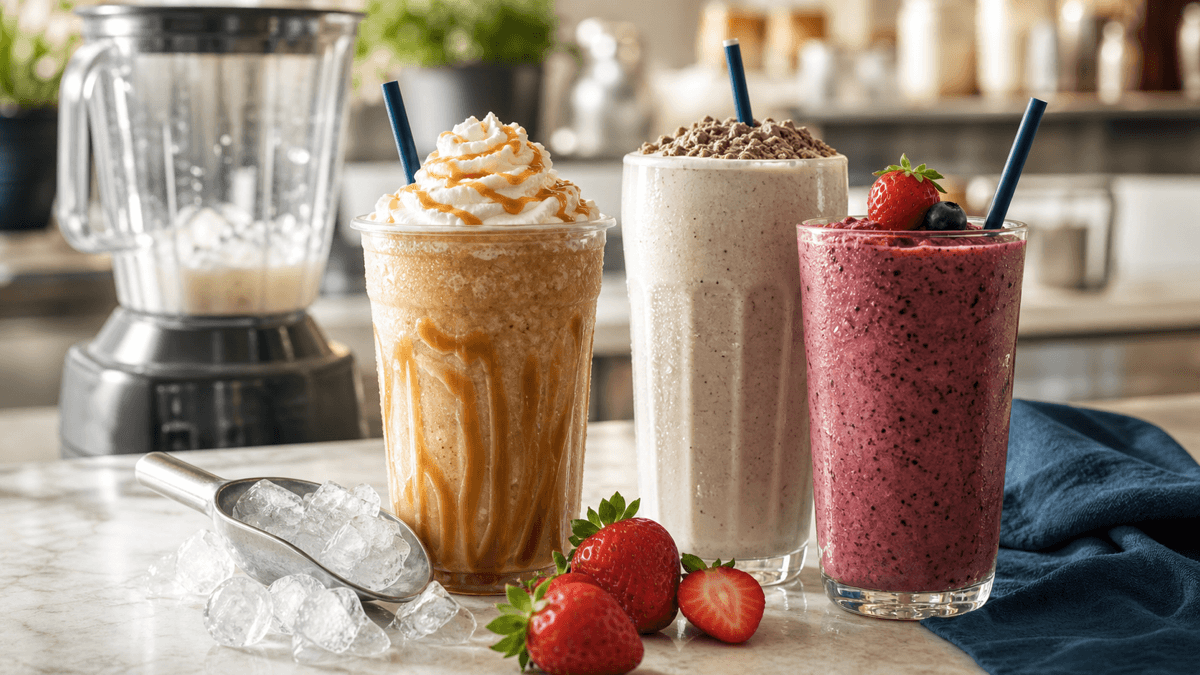
The first proper hot week arrives and the blender comes out of the cupboard. A customer asks for a caramel frappe, you say yes, and you build it from memory. A scoop of this, a good glug of syrup, a handful of ice, blitz, top with cream and a drizzle.
It tastes great. It sells all afternoon. And you have absolutely no idea what it costs you.
That is the problem with summer blended drinks. Unlike your flat white, which you have probably costed to the penny, frappes, milkshakes and smoothies get invented on the fly. No recipe, no portion control, no idea of the margin. So the margin leaks, quietly, every single hot day.
Here is what the numbers actually look like in 2026.
Why these drinks are different to a coffee
A flat white is disciplined. You have a dosed shot, a known amount of milk, one cup, one lid. Two minutes of trained, repeatable work.
A blended drink is the opposite. The recipe lives in someone's head, the portions are eyeballed, the cup is bigger, the toppings are free-poured, and the blender has to be rinsed between every single order. Every one of those things adds cost, and none of it gets written down.
That is why a £5 frappe can quietly carry a worse margin than a £3.20 latte. The ticket price looks premium. The cost base has crept up to meet it.
Like tea, which is the best margin drink in the café and the one most owners are guessing at, the only fix is to write the thing down and cost it properly.
A frappe, line by line
Let me build a caramel frappe the way most cafés actually serve it: a large blended iced coffee, topped, in a takeaway cup. All figures are ex-VAT and illustrative for 2026 - your suppliers will differ, but the shape will not.
| Line | What | Cost (ex-VAT) |
|---|---|---|
| Espresso base | Double shot, ~16g at ~£32/kg | £0.51 |
| Milk | 200ml whole milk at ~£1.40/litre | £0.28 |
| Ice | ~250g, water plus a slice of energy/machine cost | £0.05 |
| Caramel syrup | 30ml (2 pumps) at ~£9 per 1L bottle | £0.27 |
| Whipped cream | ~15g aerosol/UHT topping | £0.15 |
| Caramel sauce drizzle | ~10ml at ~£6 per 1L | £0.06 |
| 16oz takeaway cup | per unit | £0.18 |
| Dome lid | per unit | £0.10 |
| Straw (paper) | per unit | £0.04 |
| Labour | ~2 min: build, blend, rinse blender at ~£12.50/hr | £0.42 |
| Total cost | £2.06 |
Sell that at £5.00 ex-VAT (£6.00 inc VAT at 20%) and your gross profit is £2.94, a GP of about 59%. Not bad. But notice how thin the cushion is if any one line drifts.
Now strip the toppings off and serve it in a smaller cup, and the cost falls to roughly £1.45. The toppings and the big cup are not garnish. They are a third of your cost.
The toppings are where it balloons
Whipped cream, a sauce drizzle and a paper straw add about 25p between them. That sounds trivial. It is not, when you serve forty of them on a Saturday.
Cream is the sneaky one. Free-poured from an aerosol can, one barista's "top" is double another's. A 15g spec costs 15p; a heavy hand makes it 30p. Across a busy week that drift alone can cost you twenty or thirty pounds, and you will never see it because nobody is measuring.
The fix is dull but it works: a spec sheet that says 15g cream, 10ml sauce, two pumps of syrup. Pumps, not pours.
Milkshakes and smoothies have the same trap
A milkshake looks cheaper because it skips the coffee, but the base does the damage:
- Two scoops of ice cream (~120g from a catering tub at ~£3.80/kg) is about £0.46
- 200ml milk to blend: £0.28
- Toppings (cream, sauce, sprinkles): £0.25
- Cup, lid, straw: £0.32
- Labour, 2 minutes: £0.42
That lands around £1.70 ex-VAT before a single pound of margin. And the scoop is the killer. Eyeballed scoops swing from 50g to 90g without anyone noticing. Use a proper portion scoop or, better, a quick check on the scales until staff have their eye in.
Smoothies surprise people most. Fruit cost by weight is far higher than operators expect:
- 150g frozen mixed berries at ~£6/kg is £0.90 on its own
- 100ml apple juice or 80g yoghurt to blend: £0.20 to £0.30
- A teaspoon of honey: £0.05
- Cup, lid, straw, labour: £0.74
A berry smoothie can carry £1.90 to £2.10 of cost before margin, more than the frappe. Fruit is not free, frozen or not, and a generous handful of berries is the easiest way to turn a £5 smoothie into a break-even drink.
Packaging is a real cost line, not a rounding error
A 16 to 20oz cup with a dome lid costs 25p to 40p depending on whether you have gone for branded or plain, recyclable or standard. That is per drink, every drink.
It is easy to ignore because it never appears on a recipe card. But on a frappe selling at £5, that packaging is the same money you make on the milk. Cost it as a line, the way you would cost the espresso. The yield and per-serve maths on cold brew makes the same point about cold summer drinks: the unglamorous lines decide whether the drink is worth the fridge slot.
The VAT bit, kept short
Here is the one most cafés get wrong. A frappe, a milkshake and a smoothie are beverages, and beverages are standard-rated at 20% VAT whether the customer takes them away or drinks them in.
This is different to a cold takeaway cake or a sandwich, which can be zero-rated when taken away. Do not assume a cold blended drink follows the same rule - it does not. It is a drink, so VAT applies.
That means you pull the VAT out before you calculate any margin. A £6.00 frappe is £5.00 ex-VAT, with £1.00 going straight to HMRC. Cost your margin against the £5.00, never the £6.00. Getting this wrong overstates your GP by a fifth on every drink.
For the fuller picture on where the zero-rating line actually sits across iced coffee, takeaway cake and summer VAT, that one is worth a read before you set your summer prices.
What to do before the next hot spell
You do not need software to start. You need a notebook and twenty minutes.
- Write the recipes down. Every blended drink gets a spec card: base, milk, ice, syrup, toppings, cup. If it is in someone's head, it is not a recipe.
- Standardise the portions. Syrup pumps fitted. A portion scoop for ice cream. A set of scales by the blender for the first week until the eye is trained.
- Cost the toppings separately. Cream, sauce and straw are a line, not a freebie. Add them up.
- Price for the labour. Two minutes of build, blend and rinse is real wage cost. These drinks should sit at a premium, around £4.50 to £5.50 ex-VAT, because both ingredient cost and labour are genuinely higher than a standard coffee.
- Pull the VAT out first. Always margin against the ex-VAT price.
Premium pricing is not cheek here. It is honesty. The drink costs more to make and takes longer to serve, so it should earn more. The mistake is pricing it like a coffee and absorbing the difference. If you are reshaping the menu for summer trading anyway, this is the moment to get the blended lines costed properly rather than bolting them on by guesswork.
Where Brikly fits
This is exactly the kind of drift CostingBrik is built to catch. You cost each blended drink as a recipe with variants and toppings, so the large-with-cream version and the small-no-cream version each carry their true cost. When your milk, cream or fruit invoice price moves, the recipe cost updates automatically - so a free-poured syrup or a generous topping never silently eats the margin while you are not looking.
MenuBrik then shows how these summer lines actually perform in your real sales mix. You find out which frappes and smoothies are worth the blender time and the queue they create, and which ones just slow the bar down for thin money.
If you want to test the numbers in this post against your own suppliers first, the free recipe costing tool will cost a single frappe or smoothie in a couple of minutes, no account needed.
The takeaway: blended drinks are not slow coffees. They cost more in ingredients, packaging and labour, and they leak margin because nobody writes them down. Spec them, portion them, cost the toppings, pull the VAT out, and price them for the work. Do that and your busiest summer afternoon becomes your best margin afternoon, instead of a guess.
Ed O'Brien has run Hunters Cake Company for 17 years across cafés in Witney, Burford, and a bakery in Carterton, Oxfordshire. He's building Brikly - modular tools that give independent café owners the same data the big chains have, without the big chain price tag.